Maintaining a sterile environment is essential for patient safety and effective infection control. Specialized medical facility sanitization services apply targeted cleaning protocols to remove pathogens and meet health regulations. This article examines the importance of these services, the governing protocols, and the specific cleaning options available. Readers will learn how sanitization protects patients and improves operational efficiency. We compare disinfection and sanitization, review health authority guidance, and outline common service types. The role of Supreme Clean Wall Cleaning in delivering these services is also described.
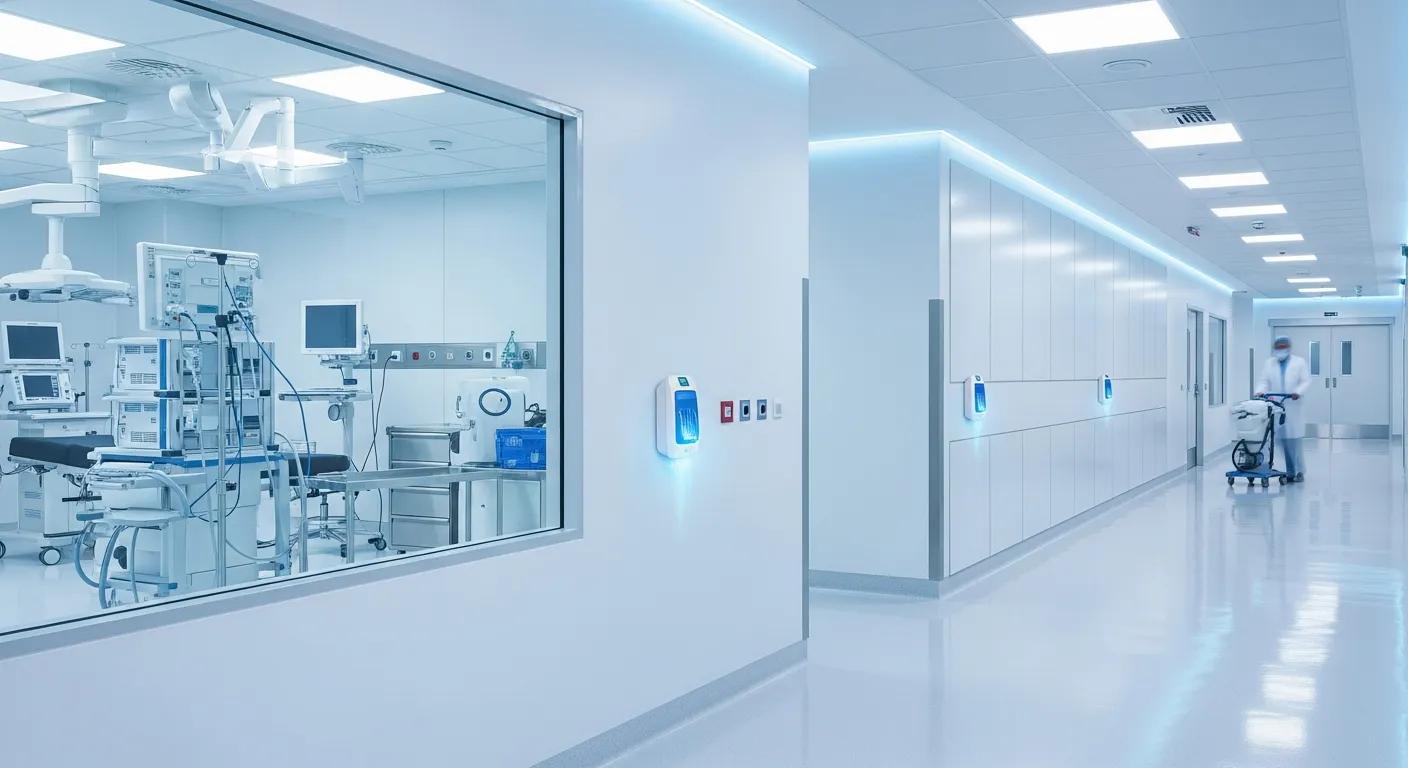
Specialized medical facility sanitization services are comprehensive cleaning processes designed for healthcare settings. They use hospital-grade disinfectants and adhere to strict protocols to remove harmful pathogens. The main benefit is a measurable reduction in healthcare-associated infections (HAIs), which helps prevent serious patient complications. Consistent application of these standards keeps facilities hygienic and supports patient recovery.
Measurable reduction in healthcare-associated infections
Adherence to CDC and WHO cleaning standards
Protected recovery environment for patients
Disinfection and sanitization serve different objectives. Understanding these differences enables providers to select the appropriate strategy to meet clinical risk and regulatory requirements.
Disinfection targets and destroys a broad spectrum of pathogens on surfaces using chemical agents and targeted application methods.
Sanitization reduces microbial counts to levels deemed safe by public health authorities, ensuring compliance with health regulations.
Infection control cleaning directly affects patient safety and HAI prevention. Proper protocols reduce cross-contamination and limit disease spread. Using hospital-grade disinfectants and following scheduled cleaning routines lowers infection rates, improves clinical outcomes, and reduces costs linked to extended stays and additional treatment.
Reduction in HAIs with proper protocols
Continuous protection coverage
CDC/WHO guideline compliance
Avg. savings per prevented infection
Medical facility sanitization is governed by protocols from authorities such as the Centers for Disease Control and Prevention (CDC) and the World Health Organization (WHO). These guidelines stress cleaning high-touch surfaces, selecting appropriate disinfectants, and training staff in correct techniques. Adherence to these standards helps maintain a secure environment for patients and staff.
Official guidelines emphasise the central role of environmental controls in infection prevention.
Environmental infection-control strategies and engineering controls can effectively prevent these infections. The incidence of health-care-associated infections and pseudo-outbreaks can be minimized by 1) appropriate use of cleaners and disinfectants; 2) appropriate maintenance of medical equipment (e.g., automated endoscope reprocessors or hydrotherapy equipment); 3) adherence to water-quality standards for hemodialysis, and to ventilation standards for specialized care environments (e.g., airborne infection isolation rooms, protective environments, or operating rooms).
— Guidelines for environmental infection control in health-care facilities, MJ Arduino, 2003The CDC and WHO issue detailed guidance for routine cleaning and disinfection in healthcare settings. Their recommendations prioritise consistent cleaning practices and the use of approved disinfectants. They also advise on staff training to ensure proper technique and compliance.
High-touch surfaces should be cleaned frequently to prevent the accumulation of pathogens.
Facilities must utilize disinfectants that meet EPA standards for effectiveness against specific pathogens.
Healthcare personnel should receive training on proper cleaning techniques and the importance of infection control.
Following these recommendations is essential to maintain a hygienic healthcare environment and meet regulatory expectations.
Disinfection protocols reduce pathogen transmission through defined agents and procedures. They focus on preparing surfaces, applying approved disinfectants, and observing required contact times. Each step increases the likelihood of eliminating infectious agents and protecting patients and staff.
Removing dirt and organic matter to enhance the effectiveness of disinfectants.
Using EPA-approved products that target a wide range of pathogens.
Allowing disinfectants to remain on surfaces for the recommended duration to ensure efficacy.
Consistent execution of these steps lowers the risk of infection transmission across the facility.
Clinical cleaning services provide targeted solutions to meet the operational needs of medical facilities. They include routine maintenance, terminal cleaning, and specialized disinfection for high-risk areas. Each service is defined to control infection risk and support patient care.
Regular cleaning of patient rooms, waiting areas, and common spaces to maintain hygiene throughout the facility.
Deep cleaning performed after patient discharge to prepare the space for new occupants with full disinfection.
Targeted cleaning of areas with high infection risk, such as operating rooms and intensive care units.
Such tailored plans ensure regulatory compliance and promote a safe environment for patients and staff.
Disinfection, sterilization, and waste management each address distinct infection-control needs. Recognizing these roles supports effective, compliant cleaning strategies across clinical settings.
Reduces the number of pathogens on surfaces to safe levels using chemical agents.
Destroys all forms of microbial life, including spores, typically used for surgical instruments.
Involves the proper disposal of medical waste to prevent contamination and protect public health.
Healthcare providers deploy a range of EPA-approved agents and modern technologies for effective sanitization. Advanced technologies complement chemical agents to increase efficiency and reach in disinfection programs.
Effective against a broad spectrum of bacteria and viruses.
Known for its ability to disinfect surfaces and equipment.
Highly effective for eliminating pathogens in high-risk areas.
Integrating technologies such as electrostatic sprayers can improve disinfectant distribution and operational efficiency.
"Use of electrostatic sprayers (ESS) and foggers to rapidly apply disinfectants over large areas or to complex surfaces has emerged with the COVID-19 pandemic. ESSs are designed to impart an electrostatic charge to the spray droplets with the goal of increasing deposition of the droplets onto surfaces, thereby promoting more efficient use of the disinfectant." — Evaluation of electrostatic sprayers and foggers for the application of disinfectants, JP Wood, 2021
Scheduling and pricing are configured to meet each facility's operational needs. Pricing reflects facility size, cleaning frequency, and any specialized services required. Providers typically assess these factors to propose an appropriate contract and service schedule.
Larger facilities may require more extensive cleaning services.
Regular cleaning schedules may offer cost savings compared to one-time services.
Additional services such as terminal cleaning or specialized disinfection may incur extra costs.
Providers can develop customised cleaning plans that align services and costs with a facility's requirements.
Hospitals and clinics select schedules that minimise disruption to patient care. These scheduling models preserve patient care while ensuring consistent cleanliness.
Cleaning performed during non-operational hours to avoid interference with patient activities.
Additional cleaning services scheduled during off-peak times.
Flexible cleaning options that can be arranged as needed for urgent situations.
Specialized medical cleaning pricing depends on the scope of work, facility layout, and service frequency. More complex spaces and higher service frequencies require additional resources and time. Many providers offer on-site assessments to deliver accurate estimates.
The range of cleaning services required will influence overall costs.
Larger or more complex facilities may require more time and resources.
Regular contracts may offer discounted rates compared to one-time services.
Free on-site assessments are commonly available to determine needs and provide transparent pricing.
Best practices for workplace sanitization focus on routine disinfection, use of hospital-grade agents, and continuous staff training. Regular attention to high-touch points, validated disinfectants, and documented procedures create a consistent safety framework.
Frequent cleaning of surfaces such as doorknobs, light switches, and medical equipment.
Ensuring that all cleaning agents meet the necessary efficacy standards.
Providing ongoing education for staff on proper cleaning techniques and infection control measures.
These measures establish predictable standards and support a culture of hygiene across the organisation.
Sanitization frequency depends on patient volume, clinical activity, and area risk. Custom schedules ensure appropriate protection for patients and staff.
Effective ongoing strategies combine routine protocols, environmentally responsible products, and customised plans. These strategies support proactive infection control and safeguard patient safety over time.
Establishing regular cleaning schedules for all areas of the facility.
Implementing environmentally safe products that are effective against pathogens.
Tailoring cleaning services to the specific needs of the facility and patient population.
Identify trusted providers by reviewing experience in healthcare, regulatory compliance, and client references. Supreme Clean Wall Cleaning is presented as a reputable option with a focus on infection control and consistent cleaning standards. Selecting a proven provider helps ensure regulatory compliance and a safe environment for patients and staff.
Supreme Clean Wall Cleaning emphasises infection control and employs trained, certified personnel. The company develops customised plans to meet each facility's requirements and to comply with health standards. Its focus on quality and safety gives healthcare providers confidence in the cleanliness of their environments.
Personnel certified in infection control protocols
Tailored to facility requirements and health standards
Focused on delivering consistent, safe environments
Client testimonials and case studies provide evidence of service quality. Feedback from healthcare organisations highlights protocol effectiveness and staff professionalism. Case studies demonstrate measurable benefits to patient safety and satisfaction, reinforcing the value of a reliable cleaning partner.
"Supreme Clean Wall Cleaning has transformed our facility's infection control protocols. Their attention to detail and professionalism is outstanding."
— Hospital Administrator
"We've seen a significant reduction in HAIs since partnering with Supreme Clean. Their staff is knowledgeable and reliable."
— Clinic Director
Contact Supreme Clean Wall Cleaning today for a free consultation and custom sanitization plan.